


925 Sterling Silver Gold Plated: Does It Tarnish? Honest Guide
• 7 min read
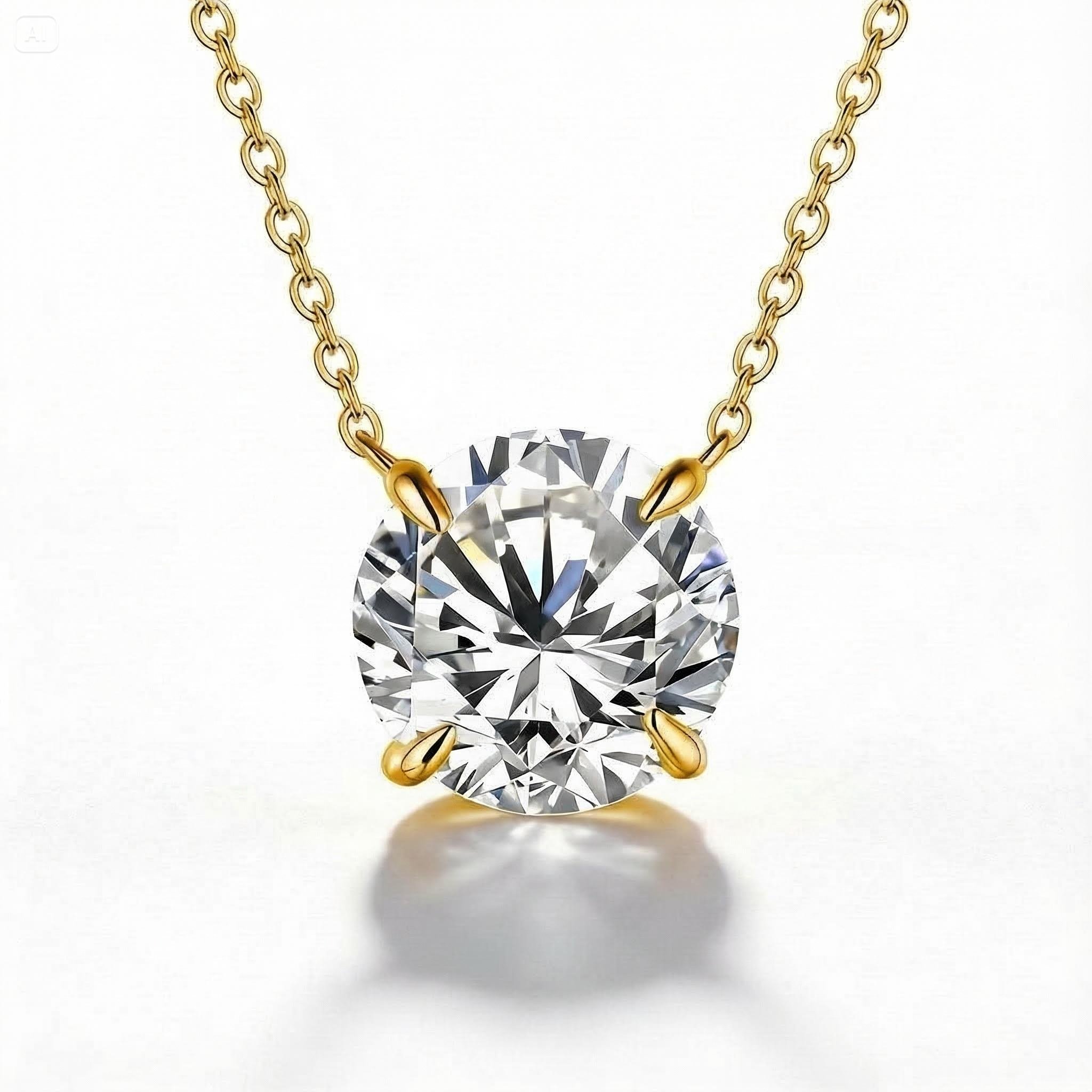
925 sterling silver gold plated means a piece made from sterling silver (at least 92.5% pure silver) with a thin layer of gold bonded to the surface. The gold layer doesn't tarnish like silver, but it can wear thin with friction, and where it does, the silver underneath can darken over time. With sensible care it's good-quality jewelry with a real precious-metal base. It just isn't solid gold, and it shouldn't be sold as if it were.
That's exactly what most of our jewelry is, so this guide is our attempt to explain it as plainly and honestly as we can: what the labels mean, how plating compares to vermeil, gold-filled and solid gold, and how to make your pieces last.
What "925" actually means
Pure silver is too soft for most jewelry, so it's alloyed with a small amount of other metal for strength. Sterling silver is 925 parts per thousand silver, which is where the "925" stamp comes from.
In the United States, the Federal Trade Commission's Jewelry Guides (16 CFR Part 23) say the terms "sterling," "sterling silver" and "solid silver" should be used only for metal that is at least 925/1,000ths pure silver. The same guides say silver-plated items shouldn't be stamped "sterling." So "925 sterling silver" describes the base metal of a piece, which is real silver, not a plated base metal like brass.
What gold plating is
Gold plating, usually electroplating, deposits a thin layer of gold onto the surface of another metal. On our pieces, that base is 925 sterling silver.
When a listing says "18K gold plated" or "14K gold plated," the karat describes the gold used in the plating layer, which affects its color: 18K gold is 75% gold and looks richer and more yellow, while 14K (about 58% gold) is slightly paler. The karat does not tell you how thick the plating is.
White finishes are often plated with rhodium, a bright white metal from the platinum family, which gives silver a cool, mirror-like shine and slows tarnishing. Our Timeless Tennis Bracelet, for example, comes in white rhodium or 14K gold plating over sterling silver.
Plated vs vermeil vs gold-filled vs solid gold
These terms get used loosely online, but in the US they have specific meanings under the FTC Jewelry Guides. Here's what we verified in the Guides, plus the practical differences:
| Gold plated (electroplate) | Gold vermeil | Gold-filled | Solid gold | |
|---|---|---|---|---|
| Base metal | Often brass or sterling silver (on our pieces: sterling silver) | Sterling silver only | Usually brass or another base metal | Gold alloy throughout |
| Gold layer | At least 10K, minimum about 0.175 microns of fine-gold equivalent | At least 10K, minimum about 2.5 microns of fine-gold equivalent | At least 10K, mechanically bonded, at least 1/20 of the total metal weight | No layer: the whole piece is gold (10K, 14K, 18K and so on) |
| How it wears | Thinnest layer; wears fastest in high-friction spots | Thicker layer; wears more slowly | Much thicker layer; long-wearing | Doesn't wear through; scratches can be polished |
| Relative price | Lowest | Moderate | Moderate | Highest by far |
| Can it be restored? | Yes, re-plating | Yes, re-plating | Limited | Polishing |
A few precise points from the Guides, since they're often misquoted:
- Gold electroplate must be at least 10 karat and at least 0.175 microns thick (approximately 7 millionths of an inch) in fine-gold equivalent to be marked "gold electroplate." "Heavy gold electroplate" requires at least 2.5 microns.
- Vermeil must have a sterling silver base, coated on all significant surfaces with gold or gold alloy of at least 10 karat, of reasonable durability, with a minimum thickness equivalent to 2.5 microns (approximately 100 millionths of an inch) of fine gold. If a base metal such as nickel sits between the silver and the gold, that has to be disclosed.
- Gold-filled requires a layer of at least 10 karat gold, bonded by mechanical means such as soldering or welding, making up at least 1/20 of the weight of the metal in the whole piece. (At 1/40, it's "rolled gold plate.")
Where our jewelry fits
Our pieces are gold plated (or rhodium plated) 925 sterling silver. We don't describe them as vermeil or gold-filled, and we never describe them as solid gold. Many of them also carry an extra protective coating, listed as an AF protective film, and the Radiance Stud Earrings are listed with three layers: 18K gold plating, rhodium and an anti-tarnish coating.
Is gold plated sterling silver good quality?
It can be, and the base matters a lot. Plating over sterling silver is a different thing from plating over brass or other base metals:
- The base is a precious metal. If the plating wears, you see silver, not a coppery or gray base metal.
- It can be restored. Sterling silver takes re-plating well, so a worn piece can be brought back rather than thrown away.
- It makes design and stone size affordable. Solid gold with the same stones can easily cost several times more. Plating is what lets us offer a 2 ct (8 mm) solitaire like The Signature Ring or a full line of stones in a tennis bracelet at a price far below solid gold.
The honest trade-off: plating is a surface finish, and surface finishes wear. If you want a piece that will never need any upkeep, solid gold is the right choice, and you should budget for it. If you want beautiful, well-made jewelry with real silver underneath and moissanite that keeps its fire, plated sterling silver is a reasonable, transparent choice.
One more thing that doesn't wear: the moissanite. It's about 9.25 on the Mohs scale and doesn't permanently cloud or change color. Any dullness is surface film that cleans off, as we explain in does moissanite get cloudy.
Does it tarnish?
Silver tarnishes because it reacts with sulfur compounds in the air and in some materials, forming a dark film of silver sulfide on the surface. Gold doesn't react this way, so an intact gold plating layer protects the silver beneath it, and rhodium does the same for white finishes.
Tarnish or discoloration on a plated piece usually shows up in one of two ways:
- The plating has worn thin in a high-friction spot, like the underside of a ring band or the clasp of a bracelet, exposing silver that can then darken.
- Residue has built up from lotion, perfume, sweat or soap. This often looks like dullness rather than true tarnish and usually cleans off.
How long does plating last?
We won't give you a made-up number of months or years, because nobody honestly can without knowing how a piece is worn. What it really depends on:
- Friction. Rings and bracelets rub against desks, keyboards, bag straps and each other. Earrings and pendants get far less contact, so they usually keep their finish longer.
- How often you wear it. A piece worn daily wears faster than one saved for evenings.
- Water and chemicals. Chlorine, salt water, cleaning products, hand sanitizer, perfume and some lotions are hard on plating.
- Body chemistry. Sweat varies from person to person, and some people find plating wears faster on them.
- Storage. Pieces jumbled together scratch each other's surfaces.
How to make gold plating last
- Put jewelry on last after lotion, sunscreen, hairspray and perfume have dried, and take it off first at the end of the day.
- Take it off for swimming, showering, the gym, cleaning and gardening.
- Dry it after any water contact with a soft cloth.
- Wipe it gently after wearing to remove skin oils.
- Clean with care: warm water, a drop of mild soap, a soft brush, then rinse and dry. Avoid silver dips, abrasive polishing cloths and harsh cleaners, which can strip plating. Our guide on how to clean moissanite has the step-by-step version.
- Store pieces separately in soft pouches or compartments, ideally somewhere dry and closed, which also slows tarnish.
- Rotate high-friction pieces. If a ring or bracelet is your daily favorite, giving it occasional days off helps.
Bracelets deserve a special mention, because they get more friction than almost anything else; our moissanite tennis bracelet guide covers wear and stacking in more detail. If you have sensitive skin, our stud earrings guide explains why we don't call our earrings hypoallergenic.
Re-plating: bringing a piece back
When a plated piece starts to show silver through the gold, it isn't the end of it. Most jewelers can clean, polish and re-plate sterling silver jewelry in yellow, rose or white gold, or rhodium. A few practical tips:
- Ask about the stones. Mention that the piece is set with moissanite, and ask how they handle stone-set pieces during cleaning and plating.
- Ask what they'll use: which karat and color, and whether they can match your original finish.
- Ask about cost up front, since it varies by piece size, design and shop.
Re-plating is one of the quiet advantages of a sterling silver base: the piece underneath stays valuable to you, and the finish can be renewed.
Choosing with your eyes open
We'd rather you buy from us knowing exactly what you're getting: lab-grown moissanite listed as D color and VVS1, set in 925 sterling silver with gold or rhodium plating, finished to order and shipped free worldwide. If that balance suits you, browse every piece or start with everyday sparkle, where you'll find lighter-wear pieces like the Solitaire Icon Necklace that are especially kind to their plating. You can also read more about our brand.
Frequently asked questions
Does 925 sterling silver gold plated tarnish?+
The gold surface itself doesn't tarnish the way silver does, but plating is a thin layer. Where it wears through, the sterling silver underneath is exposed and can darken over time. Gentle wear habits and a quick wipe after wearing keep that from happening sooner than it needs to.
What does 925 mean on jewelry?+
925 means the metal is at least 925 parts per thousand pure silver, or 92.5%. In the US, the FTC's Jewelry Guides allow the terms sterling or sterling silver only for metal of at least that purity. The remaining 7.5% is other metal added for strength.
Is gold vermeil the same as gold plated?+
Not quite. Under the US FTC Jewelry Guides, vermeil must have a sterling silver base and a coating of gold of at least 10 karat with a minimum thickness equivalent to 2.5 microns of fine gold. The minimum for items marked gold electroplate is much lower, 0.175 microns. Our pieces are sold as gold plated sterling silver, not vermeil.
How long does gold plating last?+
There's no honest single number. It depends on the thickness of the plating, how often you wear the piece, how much friction it gets, and contact with water, sweat, lotion and chemicals. Earrings and pendants usually keep their finish longer than rings and bracelets, which rub against surfaces all day.
Can gold plated sterling silver be re-plated?+
Yes. A jeweler can clean, polish and re-plate sterling silver jewelry to restore its color. Ask them about how they'll handle any set stones, and about cost, which varies by piece and by shop.
Is your jewelry solid gold?+
No. Our pieces are 925 sterling silver, most plated in 18K or 14K gold or rhodium, and set with lab-grown moissanite. We say that clearly because it's the honest trade-off that makes the designs and stone sizes affordable.
Related guides
Latest News
November 2, 2026
November 2, 2026
November 2, 2026
November 2, 2026
November 2, 2026